Buying a New or Improved Home? Verify What the Property Taxes Include
The property tax figure beside a listing can influence which homes make your shortlist. But does it describe the house you toured? An October property tax check helps buyers on Long Beach Island and the mainland compare costs when a home is newly built, expanded, or recently improved.
A finished kitchen or additional bedroom is easy to see. Whether the tax assessment reflects completed work requires a question.
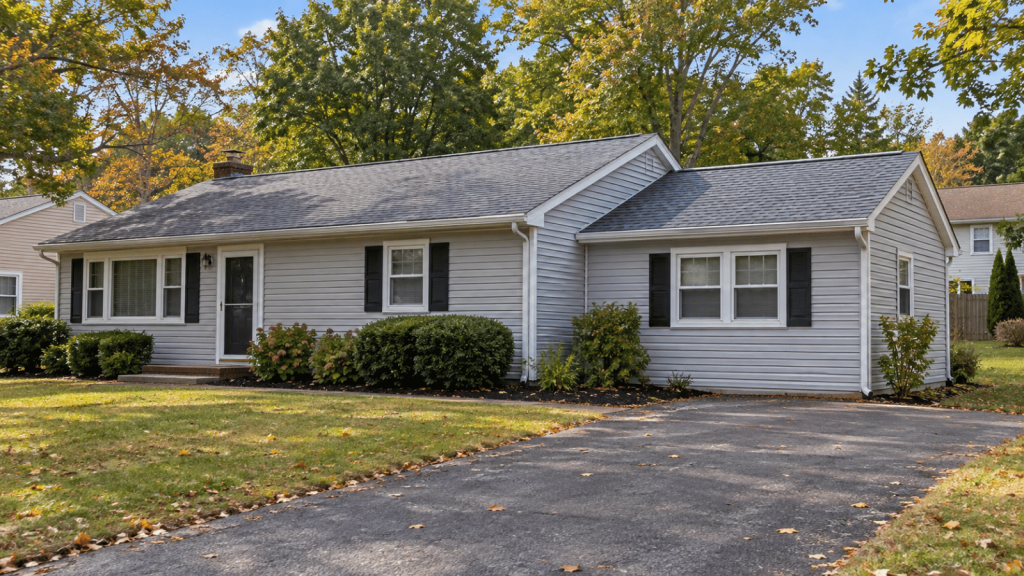
AI-generated concept image of a fictional home, shown for illustration.
Why an October Property Tax Check Matters
New Jersey generally uses October 1 as the valuation date for the following tax year. Improvements completed outside the regular assessment cycle can result in an added assessment. Buying in October makes this a timely conversation, but buyers should verify the records whenever they purchase.
The distinction is between the existing bill and the tax cost of the completed property. A listing’s tax figure may reflect an earlier version of the home. Ask what tax year it represents and whether it includes recent construction.
Start Your October Property Tax Check With These Records
Request the latest tax bill, the assessment information, and any added assessment notices. Confirm that the records match the property’s block and lot.
Ask the municipal assessor whether the assessment reflects the completed home, whether recent work has been reviewed, and whether an additional assessment is pending. The tax collector can help clarify bills already issued.
An assessment is the value used for taxation, not the bill itself. Local tax rates also affect the amount payable. Avoid treating an estimate as a confirmed future tax bill.
Compare the Homes as They Stand Today
Consider an LBI replacement home built where an older cottage stood. Before comparing its taxes with those of an established island home, check whether the quoted figure reflects the replacement house, an earlier structure, or an incomplete construction stage.
The same question applies to a new build in Stafford or Barnegat. A low recorded tax figure deserves clarification before it becomes part of your affordability calculation.
Established mainland homes deserve attention too. At an expanded ranch in Waretown, Little Egg Harbor, or Tuckerton, ask whether the additional living space is reflected in the assessment. Do not assume an older construction date means the property has remained unchanged.
These are verification prompts, not predictions that every improvement will increase taxes. The assessor must address the property and work involved.
Use Verified Information Before Choosing
For each contender, note the quoted taxes, the year they cover, and any unresolved assessment questions. Compare confirmed figures with confirmed figures. Identify estimates clearly.
If financing, ask your lender which tax amount supports the projected payment and how a revised amount would affect your budget. Seasonal buyers should evaluate annual taxes even if they use the home only occasionally.
Before closing, have your attorney or closing professional explain how any added tax bill would be handled under your contract.
Comparing homes on LBI and in nearby mainland towns? Explore the Van Dyk Group Home Search, then ask about the tax records tied to each property.
Sources
- New Jersey Division of Taxation — Assessment and Appeals
Updated August 15, 2025. Supports the October assessment timing and the possibility of additional assessments following improvements.
https://www.nj.gov/treasury/taxation/lpt/lpt-appeal.shtml Assessment and Appeals
- New Jersey Division of Taxation — General Property Tax Information
Updated August 12, 2025. Supports the October 1 valuation date and the distinction between assessed value and taxes calculated using the local tax rate.
https://www.nj.gov/treasury/taxation/lpt/genlpt.shtml